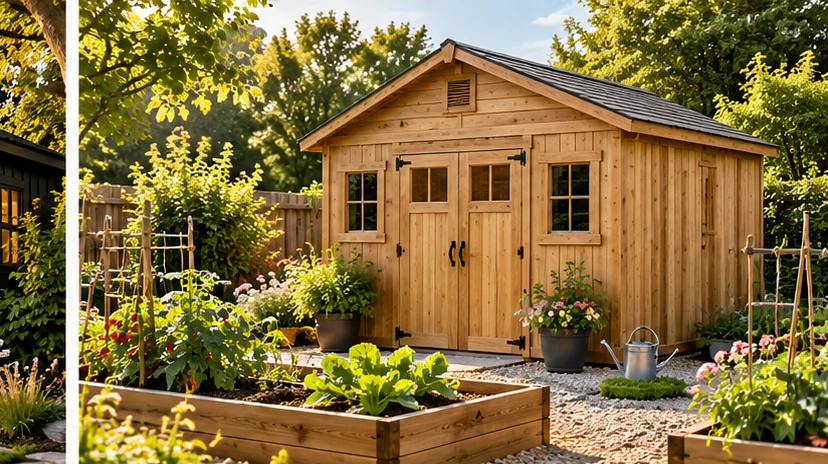
Moving a shed can preserve an otherwise serviceable structure, but the undertaking is not simply a matter of lifting it onto skids. The framing, ground conditions, route and new site all matter.
Document the existing building
Measure actual exterior dimensions, eave projections, height and approximate construction. Photograph the base, floors, corners and visible damage.
Assess whether it can survive a move
Rot, corrosion, loose connections and wall distortion may make moving unsafe or uneconomic. A qualified mover or contractor should evaluate lifting points and structural suitability.
Survey the entire route
Gate openings, power lines, fences, tight turns, slopes and public roads can change the method or make relocation impossible. Never approach overhead electrical lines with equipment.
Price a new base and approvals
The destination may need its own foundation, anchoring and zoning approval. Compare relocation plus repair costs with a suitable replacement.
The building may not be designed to be lifted
Small shed floors and wall connections can deteriorate over time. Lifting a structure can expose weak corners, damaged skids or disconnected panels. A mover needs to know the material, age, dimensions, base design and structural condition. Rot, corrosion and settlement can turn a seemingly simple relocation into a repair or demolition project. Do not attempt an improvised lift without appropriate equipment and professional assessment.
Survey obstacles from start to finish
The shortest distance between two points is not necessarily a workable move route. Gates, steps, retaining walls, overhead cables, slopes and sharp turns can control the equipment choice. Public-road transportation may bring permit or escort requirements. Electrical lines are particularly hazardous; no one should try to shift or approach them with moving equipment.
Include the complete destination scope
At the new location, the shed may need fresh approval, a new foundation, re-anchoring and door adjustments. Record these costs separately. If the shed requires substantial roof or floor repairs afterward, replacement could be more economical. A written comparison is better than assuming moving must save money merely because the building is already owned.
Buyer / homeowner checklist
- Measure width, height and roof overhang
- Request professional structural assessment
- Map access and utility clearance
- Check new-site permit requirements
Put it into practice: a planning example
An existing wood shed seems worth keeping, but the proposed new location is behind a narrow gate. A mover needs the complete exterior envelope including roof overhangs, not just floor dimensions. Photographs should show the condition of corners, floor supports and joints. Obtain a relocation quote that includes lifting, transport route, new foundation and re-anchoring. Compare it with a replacement project before deciding the apparent savings are real.
Questions to bring to a seller or installer
A useful comparison begins with current written specifications for exact model numbers. Put all contenders in one worksheet and do not replace missing specifications with guesses. A good answer identifies the product, base, and included services, rather than offering a generic sales assurance.
- What exact kit or building is involved?
- What must be ready before work begins?
- Who is responsible for delivery, safety and approvals?
- What are the acceptance and warranty procedures?
For every answer, note the model number, the source of the specification, the date you obtained it, and whether it was confirmed in a current installation manual or supplier quote. This makes the comparison more useful if prices or terms change before you purchase.
Frequently asked questions
Can a shed be dragged across a yard?
Improvised dragging can damage the structure and create hazards. Ask a suitable professional about safe lifting and moving methods.
Next step: compare complete specifications
Before committing, place at least two suitable models side by side. Note interior dimensions, actual doorway, floor construction, permitted foundation, anchoring, delivery terms, and warranty exclusions. Where specifications or prices are missing, contact the seller for the current written information. If work involves structural changes, power, or local approvals, consult the appropriate qualified professional.
We have not hands-on tested products or inspected customer installations for this article. Product specifications and applicable building rules must be checked with current manufacturers and local authorities. Retailer links elsewhere on this site are direct links until affiliate approvals are confirmed.
Read our editorial policy ↗