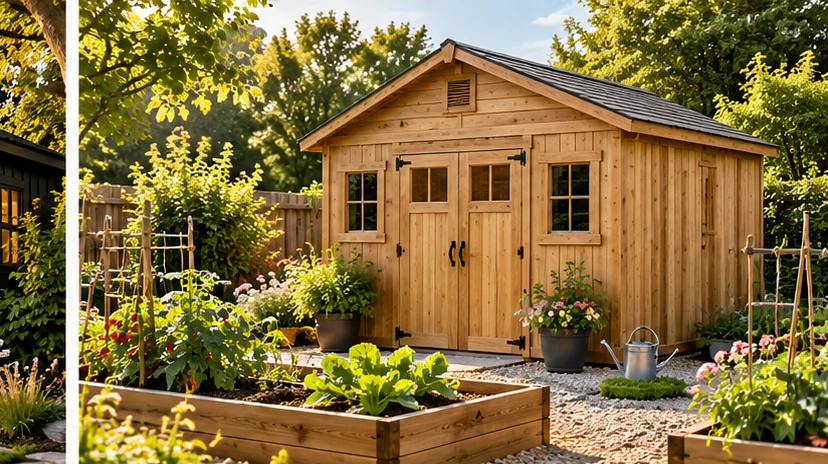
A wood shed is relatively straightforward to care for when small problems are caught early. The goal is not constant maintenance; it is knowing which surfaces and joints to inspect before water has time to work into the structure.
Spring: inspect after the wet season
Walk around the shed and look for places water sits: near downspouts, under low siding edges, and at the doorway. Inspect roof coverings and visible flashing from the ground. Look for peeling paint, open caulk joints where specified by the manufacturer, soft timber, and dark stains that stay wet. Make a short photo record so you can compare the condition next year. Remove vegetation touching the building without disturbing its supports.
Summer: maintain finishes and airflow
Dry weather can be a convenient time to clean and refinish surfaces when the selected coating instructions allow it. Do not paint over wet or decaying wood. Follow the coating manufacturer’s preparation steps, cure times, and temperature limits. Inspect high-sun-exposure walls for cracked finishes. Inside, move stored items away from wood walls enough to inspect for staining and allow ordinary air movement. Recheck ventilation openings after reorganizing shelves.
Autumn: prepare the water path
Leaves and debris can block drainage around a small shed just as easily as around a house. Clear safe-to-reach gutters if fitted, check roof runoff, and keep water from splashing continually onto the bottom trim. Test door closure, adjust loose hardware, and lubricate hinges only if appropriate for the hardware. Make sure winter equipment is accessible without dragging it past fragile shelves or a fuel can.
Winter: observe, do not overload
After storms, inspect from a safe location for damaged roofing, blocked access, and drifting snow. Do not climb onto a shed roof or assume its snow rating from appearance; consult the structure’s instructions and local load requirements. If doors start binding, look for seasonal movement or base settlement rather than forcing the latch. Do not use an improvised indoor heater in a combustible storage building.
Keep a small maintenance log
Record the date, location, observation, photo and action. When the same leak or door issue recurs, the log makes it easier to troubleshoot or raise a warranty issue. Maintain receipts and manuals in a digital folder so they are not left inside the shed during a water problem.
Build a ten-minute inspection routine
Keep a short annual checklist in the shed's digital manual folder: roof edges, bottom trim, door alignment, fasteners, water route, finish condition and pest evidence. Walk around the structure after a heavy storm from a safe location, then repeat the same pictures from the same angles each season. That habit makes gradual changes visible and creates a record if a component fails while under warranty.
When hiring a contractor, provide photographs of the precise affected area rather than asking for a generic “shed repair” quote. A careful diagnosis can prevent repeated sealing and painting over the same moisture source.
Buyer / homeowner checklist
- Spring: inspect roof edges, paint, and drainage.
- Summer: maintain approved finishes and clear vents.
- Autumn: remove debris and check doors.
- Winter: inspect storm effects from the ground.
- Year-round: save photos and repair records.
Questions to bring to a seller or installer
A useful comparison begins with current written specifications for exact model numbers. Put all contenders in one worksheet and do not replace missing specifications with guesses. A good answer identifies the product, base, and included services, rather than offering a generic sales assurance.
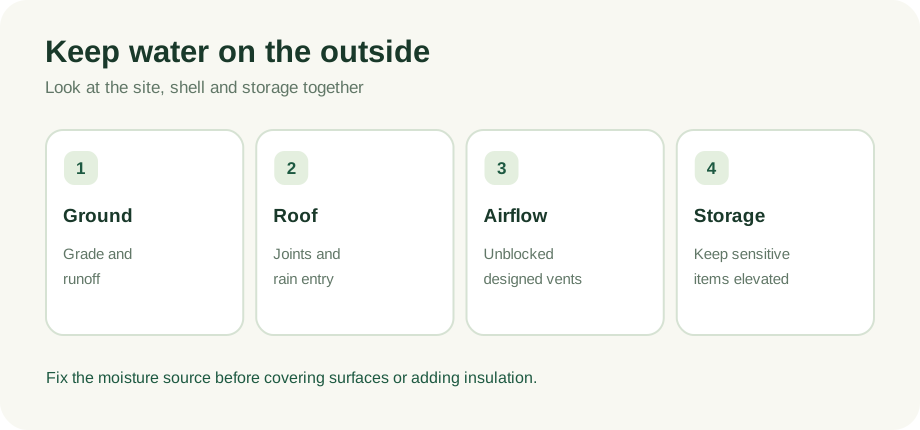
- What is the source of moisture or wear?
- Can water leave the building and its base?
- Which openings are deliberate vents?
- What maintenance is required by the manufacturer?
For every answer, note the model number, the source of the specification, the date you obtained it, and whether it was confirmed in a current installation manual or supplier quote. This makes the comparison more useful if prices or terms change before you purchase.
Frequently asked questions
How often should a wood shed be repainted?
It depends on the coating, exposure, timber, and manufacturer instructions. Inspect finishes annually and follow product-specific refinishing guidance.
What should I inspect first after a storm?
From a safe location, look at roof coverings, visible wall joints, standing water, and door operation. Keep clear of damaged or unstable structures.
Next step: compare complete specifications
Before committing, place at least two suitable models side by side. Note interior dimensions, actual doorway, floor construction, permitted foundation, anchoring, delivery terms, and warranty exclusions. Where specifications or prices are missing, contact the seller for the current written information. If work involves structural changes, power, or local approvals, consult the appropriate qualified professional.
We have not hands-on tested products or inspected customer installations for this article. Product specifications and applicable building rules must be checked with current manufacturers and local authorities. Retailer links elsewhere on this site are direct links until affiliate approvals are confirmed.
Read our editorial policy ↗