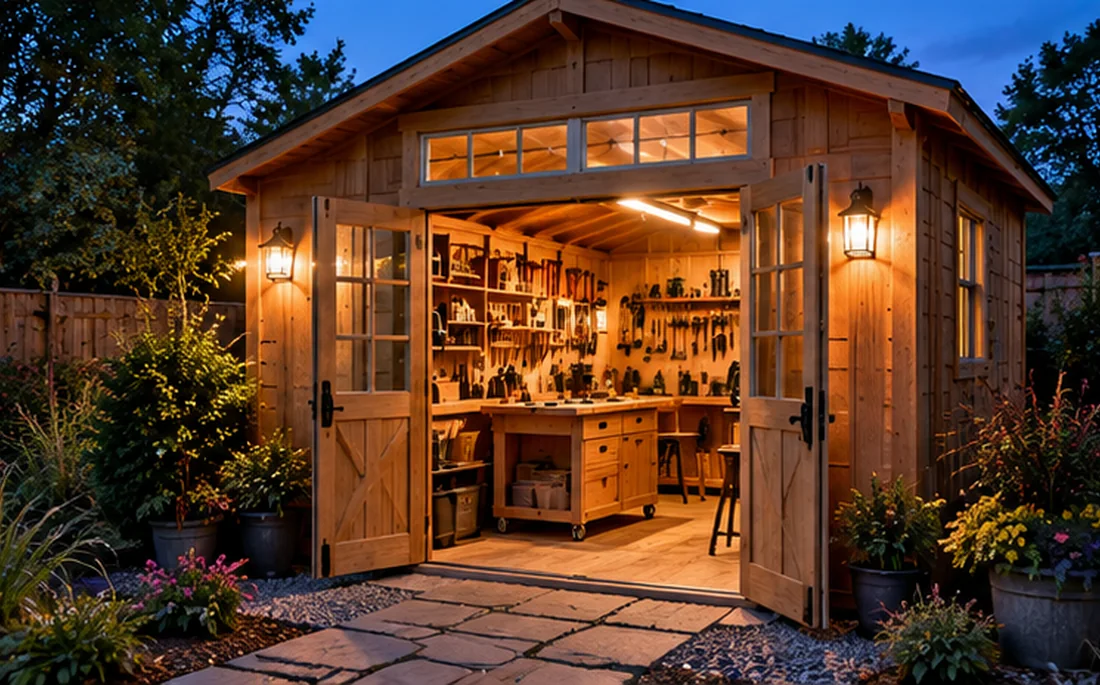
Adding electrical service can make a shed more useful, but it changes the project from simple storage to a building with important installation and inspection questions. Start with what you need powered, then speak to a qualified local electrician.
Write down real power needs
List tools, lighting, chargers, and any climate equipment with nameplate information. Simultaneous demand matters more than the number of outlets you would like.
Check local approvals early
Electrical work, trench depth, wiring methods, grounding and inspections are governed locally. The shed’s building use and distance from the house may also matter.
Treat moisture as part of the design
Outdoor routing, entry penetrations and damp conditions affect product selection and installation. Do not run household extension cords as a substitute for a compliant permanent circuit.
Plan future flexibility without overbuilding
A clear diagram of equipment placement and potential future uses helps the electrician explain feasible options and cost. Leave room for safe access to any installed equipment.
Separate must-have power from convenience
A battery-powered task light may satisfy occasional evening retrieval, while a table saw or heating system is a different electrical design problem. Make an equipment list with actual nameplate information. Include simultaneous loads and the locations where cords would cross walking paths. Your electrician can then design an appropriate solution instead of quoting an arbitrary number of outlets.
The route to the shed matters
Permanent wiring may involve trenching, buried utilities, difficult terrain, exterior wall entry and a suitable distribution system. The local jurisdiction determines acceptable wiring methods, protections, permits and inspections. Do not dig without checking underground services. Moisture and exposure influence product selection, so interior household fittings are not automatically appropriate for an outdoor outbuilding.
Avoid designing the space backward
If electrical service is added after the shed is filled with cabinets, the electrician may have limited working access. Plan tool benches, lighting, receptacle locations and clearances at the same time as the shed. Also consider whether the project changes the permitted use of the building. Put approvals and professional labor in the budget before comparing small unpowered sheds against more elaborate workshops.
Buyer / homeowner checklist
- List intended electrical loads
- Speak with a qualified local electrician
- Check permitting and inspections
- Avoid extension-cord substitutes for permanent wiring
Put it into practice: a planning example
A small workshop owner wants overhead lights, a bench tool and several battery chargers. Before asking for an electrician's price, make an inventory of all equipment and when items may run simultaneously. Mark the building location, trench obstacles, any known underground services and planned workbench position. The qualified electrician can then evaluate feasible circuits and required permits. This planning is useful even if the final answer is to begin with a battery light and postpone permanent wiring.
Questions to bring to a seller or installer
A useful comparison begins with current written specifications for exact model numbers. Put all contenders in one worksheet and do not replace missing specifications with guesses. A good answer identifies the product, base, and included services, rather than offering a generic sales assurance.
- Is the building intended for the proposed use?
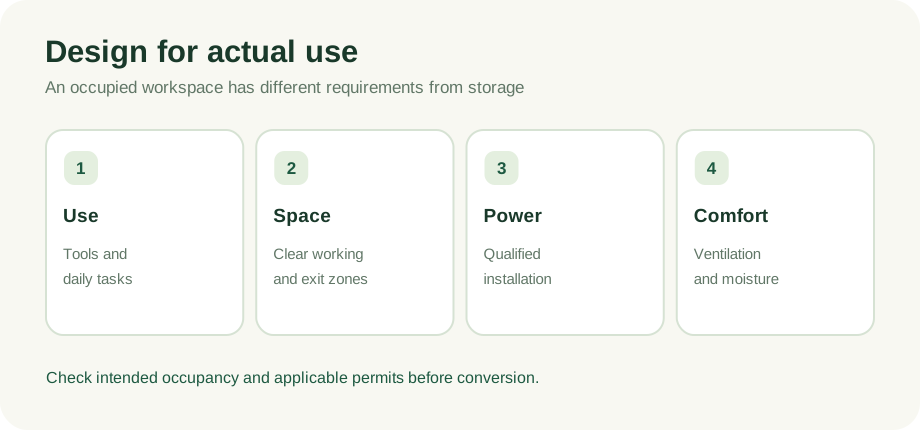
- What electrical, ventilation and moisture requirements apply?
- Which modifications are manufacturer-approved?
- What is the complete compliant project scope?
For every answer, note the model number, the source of the specification, the date you obtained it, and whether it was confirmed in a current installation manual or supplier quote. This makes the comparison more useful if prices or terms change before you purchase.
Frequently asked questions
Can I run an extension cord to a shed permanently?
An ordinary extension cord is not a substitute for approved permanent wiring. Follow local electrical rules and qualified guidance.
Next step: compare complete specifications
Before committing, place at least two suitable models side by side. Note interior dimensions, actual doorway, floor construction, permitted foundation, anchoring, delivery terms, and warranty exclusions. Where specifications or prices are missing, contact the seller for the current written information. If work involves structural changes, power, or local approvals, consult the appropriate qualified professional.
We have not hands-on tested products or inspected customer installations for this article. Product specifications and applicable building rules must be checked with current manufacturers and local authorities. Retailer links elsewhere on this site are direct links until affiliate approvals are confirmed.
Read our editorial policy ↗