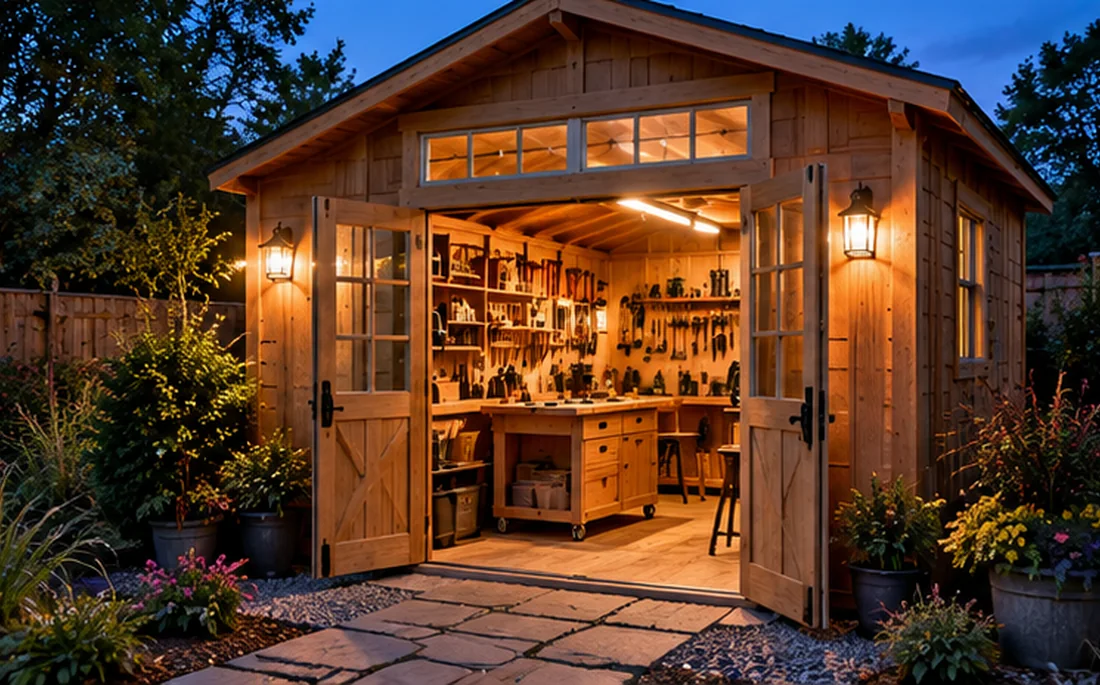
Accessories can turn a basic shed into a comfortable everyday storage space—or double the cost without solving the key problem. Decide which extras protect the building, improve access, or make stored objects easier to retrieve.
Begin with non-negotiable safety and fit
A suitable foundation and required anchoring come before cosmetic accessories. Check the actual shed installation instructions and local requirements. If the structure needs an approved anchor kit for the chosen base, treat it as part of the core project rather than an optional upgrade. The same is true of a suitable floor where the product does not include one.
Buy access before extra capacity
A properly designed ramp may matter more than another shelf for someone rolling a mower inside. Make sure the ramp is approved for the door threshold and anticipated load. Good door stops or retainers can make daily use less frustrating, but verify compatibility. Wide openings and stable access are much harder to retrofit than a modest storage rack.
Choose shelving based on the walls
Freestanding shelving can be versatile, but it must be stable and correctly placed. Wall-mounted systems require an approved load-bearing surface. Do not fasten heavy racks into thin resin or metal cladding without manufacturer guidance. Measure the depth of bins before buying shelves, and leave enough aisle clearance to retrieve them.
Treat electrical and climate accessories carefully
A battery light may be sufficient for occasional retrieval. Permanent wiring, heaters, or powered tools introduce code, moisture and fire-safety questions that belong in the project scope from the beginning. Ventilation features are useful only when compatible with the design and use. Do not cut vents or wiring openings casually into a manufacturer’s roof or panels.
Delay decorative upgrades until the shed works
Plan the door, floor, drainage and organization first. Then consider matching trim, planting, exterior lighting, or other appearance updates that suit your property. A practical shed you enjoy using will feel more valuable than one decorated beautifully but difficult to enter.
Use a three-tier shopping list
Tier one covers components required for a safe, compliant installation—approved foundation, anchors and any necessary floor system. Tier two covers features that remove a recurring inconvenience, such as a suitable ramp for a mower or secure storage that fits a particular tool. Tier three covers pleasant but optional additions such as trim, planting or decorative lighting. Price each tier separately so the project does not accidentally spend its safety budget on aesthetics.
For every add-on, note whether it comes from the shed manufacturer, an approved compatible accessory brand, or an unrelated third party. Compatibility and installation responsibility should be answered before purchase.
Buyer / homeowner checklist
- Sort extras into required, functional and decorative.
- Check load and compatibility ratings before buying shelves.
- Use approved ramps for heavy rolling equipment.
- Budget any permanent power work separately.
- Add decorative upgrades only after solving access and moisture.
Questions to bring to a seller or installer
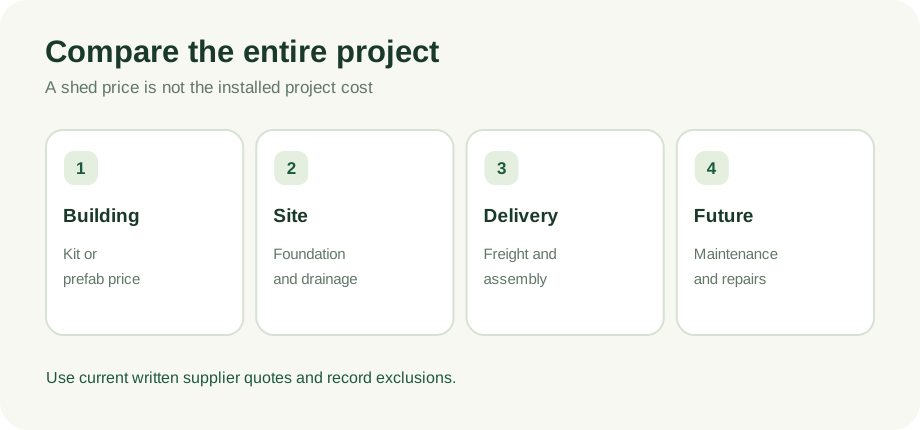
A useful comparison begins with current written specifications for exact model numbers. Put all contenders in one worksheet and do not replace missing specifications with guesses. A good answer identifies the product, base, and included services, rather than offering a generic sales assurance.
- What is included in the base product?
- Which delivery and installation services are excluded?
- What documentation supports the claims?
- What is the full project cost and ongoing responsibility?
For every answer, note the model number, the source of the specification, the date you obtained it, and whether it was confirmed in a current installation manual or supplier quote. This makes the comparison more useful if prices or terms change before you purchase.
Frequently asked questions
What accessory should I buy first?
After the required base and anchoring, the best next purchase usually solves your largest daily problem—access, retrieval or security.
Can I add shelves to any shed wall?
No. Verify the wall system and permitted fasteners; some cladding panels do not safely support hanging loads.
Next step: compare complete specifications
Before committing, place at least two suitable models side by side. Note interior dimensions, actual doorway, floor construction, permitted foundation, anchoring, delivery terms, and warranty exclusions. Where specifications or prices are missing, contact the seller for the current written information. If work involves structural changes, power, or local approvals, consult the appropriate qualified professional.
We have not hands-on tested products or inspected customer installations for this article. Product specifications and applicable building rules must be checked with current manufacturers and local authorities. Retailer links elsewhere on this site are direct links until affiliate approvals are confirmed.
Read our editorial policy ↗