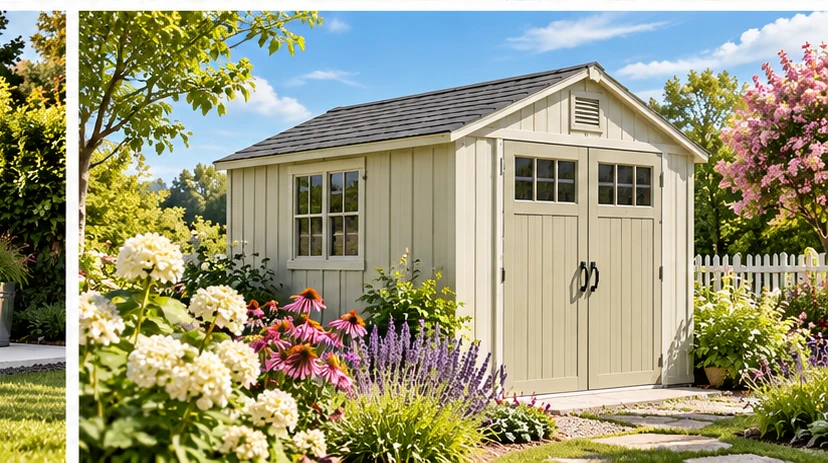
A higher price is not proof of a better shed, and a low price is not automatically a bargain. The most useful comparison looks at the components that affect fit, durability and everyday operation.
Compare structure rather than marketing labels
Review frame configuration, roof specification, fastening, weather ratings and any relevant approvals. Match models intended for similar climates and loads.
Prioritize floor and door quality
A practical floor and sufficient clear doorway matter for daily use. A cheap structure can become costly if it cannot safely support the stored equipment.
Inspect warranty and spare-part terms
Look for actual exclusions and how claims work. Replacement panels, hinges and roofs can matter more than a broad-sounding warranty headline.
Normalize the final price
Add base, floor, anchors, delivery, labor and waste handling. Consider likely maintenance instead of comparing only MSRP or short-lived promotional tags.
Pay for functions, not vocabulary
Terms such as “heavy-duty,” “premium” and “all-weather” are not substitutes for measurements and documentation. Ask for floor load ratings, structural performance where relevant, actual door openings, hardware details and the exact installation manual. A well-chosen budget shed can perform its narrow job adequately when used as specified. A more expensive model may be the right choice where customization, replacement parts or local weather needs justify it.
Look for hidden scope differences
One listing may include a floor and anchor kit; another may include neither. Shipping charges, assembly exclusions and finish requirements can dominate the comparison. Separate optional accessories from essential site work and safety equipment. Compare the same size category and intended use before deciding that a lower sticker price saves money.
Read service and warranty detail
Ask who handles a damaged panel, whether replacement pieces are available, who pays return freight, and whether installation by a third party affects coverage. These real ownership questions can matter more than an impressive warranty headline. Keep written specifications and quotes so later comparisons are based on facts rather than the product photographs.
Buyer / homeowner checklist
- Get full model specification sheets
- Verify clear entry and floor loading
- Read warranty exclusions
- Compare all-in project totals
Put it into practice: a planning example
Two retailers sell similarly sized sheds at very different prices. Rather than treating the price gap as a quality score, list exact interior area, clear door dimensions, floor requirements, structural documents, anchors, delivery and assembly. A seemingly inexpensive option may need additional parts; a premium option may include features the buyer never uses. Read warranty exclusions and access to spare parts. Only after normalizing the project scope does the comparison become meaningful.
Questions to bring to a seller or installer
A useful comparison begins with current written specifications for exact model numbers. Put all contenders in one worksheet and do not replace missing specifications with guesses. A good answer identifies the product, base, and included services, rather than offering a generic sales assurance.
- What is included in the base product?
- Which delivery and installation services are excluded?
- What documentation supports the claims?
- What is the full project cost and ongoing responsibility?
For every answer, note the model number, the source of the specification, the date you obtained it, and whether it was confirmed in a current installation manual or supplier quote. This makes the comparison more useful if prices or terms change before you purchase.
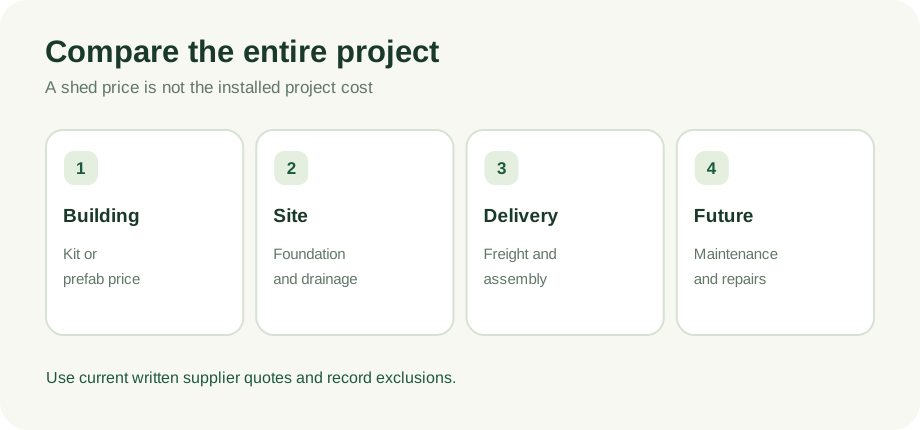
Frequently asked questions
Should I buy the most expensive shed?
Not automatically. Buy the least costly suitable option that meets your documented needs, local conditions, and installation requirements.
Next step: compare complete specifications
Before committing, place at least two suitable models side by side. Note interior dimensions, actual doorway, floor construction, permitted foundation, anchoring, delivery terms, and warranty exclusions. Where specifications or prices are missing, contact the seller for the current written information. If work involves structural changes, power, or local approvals, consult the appropriate qualified professional.
We have not hands-on tested products or inspected customer installations for this article. Product specifications and applicable building rules must be checked with current manufacturers and local authorities. Retailer links elsewhere on this site are direct links until affiliate approvals are confirmed.
Read our editorial policy ↗